


Welcome back to our Project Series, where we explore the world of AI-driven projects. Last week, we featured 'AI as a Co-Designer: How might AI help create tangible, practical products?' with Dinuo Liao leading us through the collaborative process of product design. This week we take another step into co-creation where Tamay Oudhof will show a fresh perspective on using AI, not just for designing products, but for envisioning and crafting the future itself. In this post, we'll discover how blending technology with teamwork opens up new possibilities for not just predicting what's ahead; but actively participating in shaping it.
The Spark: Recognizing the Need for Future Visioning
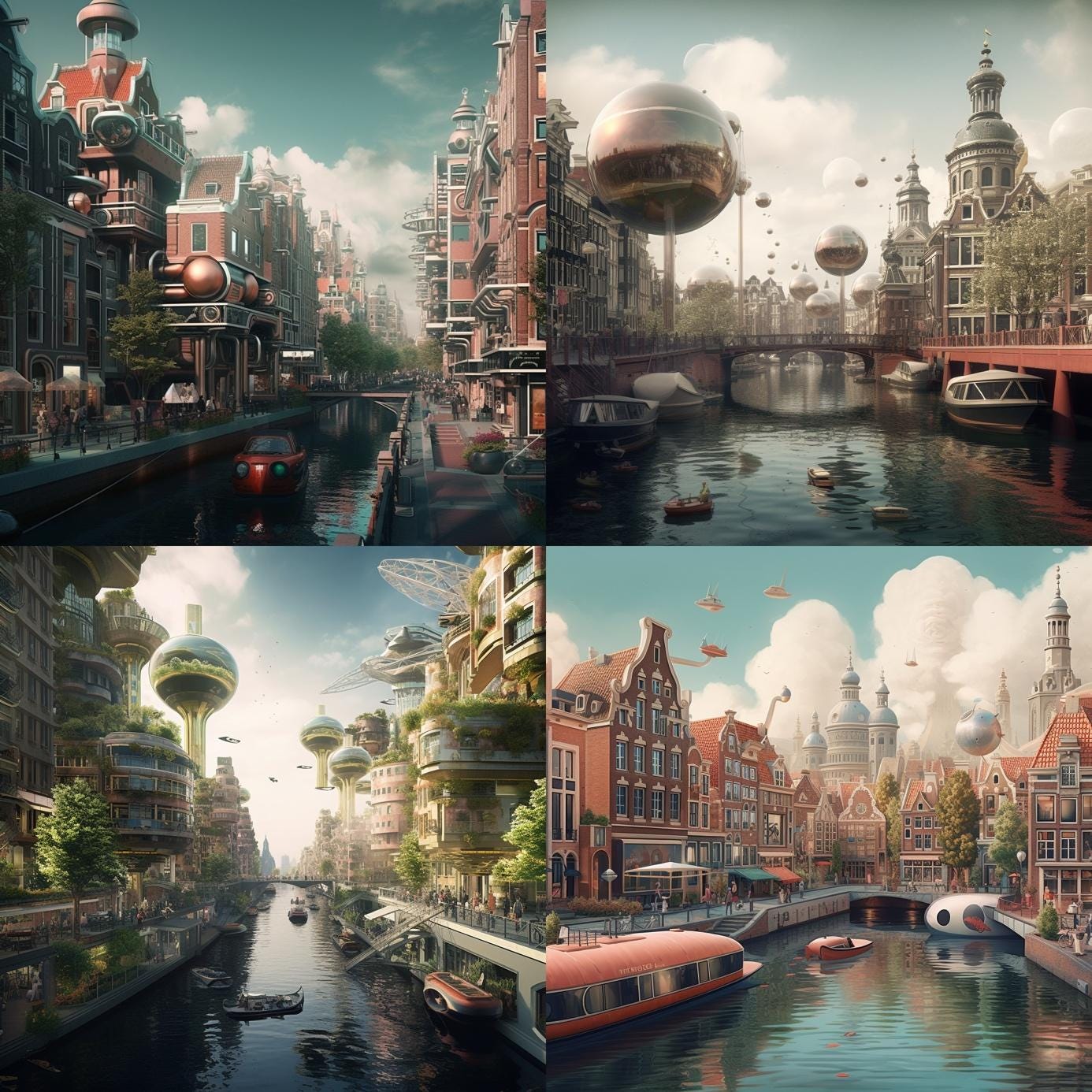
In an era where societal challenges are increasingly complex and interconnected, there's a growing need for transformative approaches that reshape our future. My project began with a realization: the process of envisioning and defining future goals is often unguided and undefined, while its impact can be huge. Having a mental image of the (desired) future allows individuals to take more fitting action toward that future. Think of it as a GPS for navigating tomorrow. With a sprinkle of Artificial Intelligence (AI) magic, a dash of creativity, and a hearty dose of co-creation, we're not just dreaming about the future; we're shaping it!

Bridging the Gap: AI-Enhanced Co-Creation
So, here's the million-dollar question: How can we guide individuals and organizations to effectively envision and shape their future in an era of transformative change? My project proposes a solution by integrating AI with co-creation and futuring methods. It focuses on empowering collective envisioning and goal-setting, turning AI into a tool that enhances human capabilities in this process. AI allows the participants to delve deeper into the future and make it come alive through the application. Imagine creative brainstorming with ChatGPT or visualizing the future with Midjourney.
Methodology: From Theory to Practice
The project journey started with an extensive exploration of literature on future visions, creativity, and AI. Through in-depth interviews and cultural probes, we delved into the nuances of envisioning futures. Ever noticed how easy it is to slip into doom-and-gloom future scenarios? This was a key finding we wanted to embrace, to use this inspiration and turn it into positive, actionable future scenarios.
From this, a buildable concept emerged. This concept was rigorously tested in real settings, leading to the development of the Minimal Viable Method (MVM) for facilitating co-creation sessions. The end-result? This method is a dynamic framework, adaptable to different contexts and designed to foster collaborative and innovative thinking. A method that's as flexible as it is creative. A recipe for innovation, cooked up to serve any scenario on the menu.
Tangible Outcomes: A Toolkit for Future Visioning
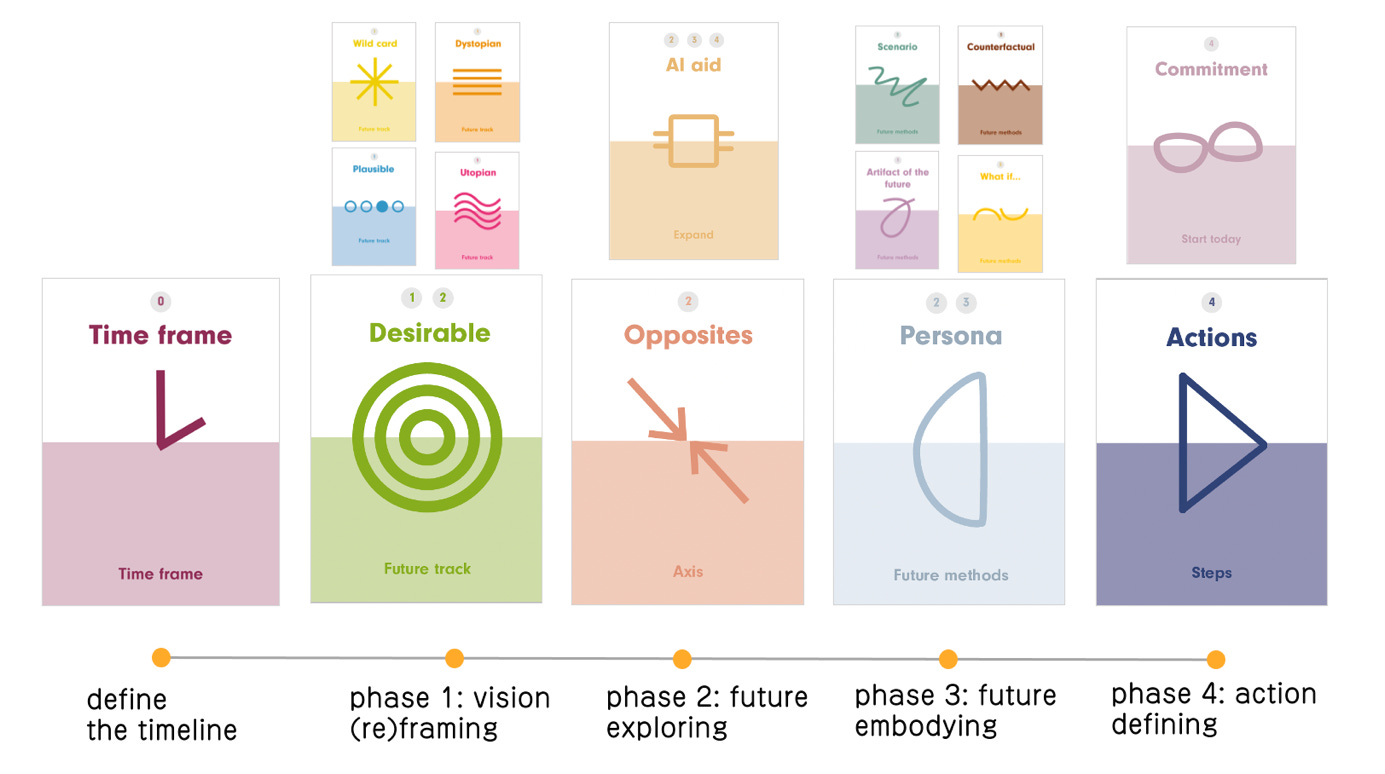
Ready for the big reveal? The project's culmination is a Version 1 (V1) design of a toolkit aimed at guiding people through AI-assisted co-creation sessions. This toolkit, detailed on FutureFraming.nl and a preview in the image below, includes various resources designed for both novices and experts. It moves through four relevant phases to build the future visions. It aids in focusing on specific goals and types of futures, with user-friendly guidance for those new to AI and future visioning.
Reflections and Thoughts
Throughout this project, I realized the potential of tools in facilitating meaningful conversations about the future. The V1 toolkit is a first step towards a more refined approach, with ongoing developments promising to enhance both the experience and the outcomes. After my graduation, AI kept on moving forward and we're keeping pace, dreaming up new ways to weave it into our co-creation sessions. For example, a unified platform to use both text-to-text and text-to-image AI. This is now possible in ChatGPT (Plus).
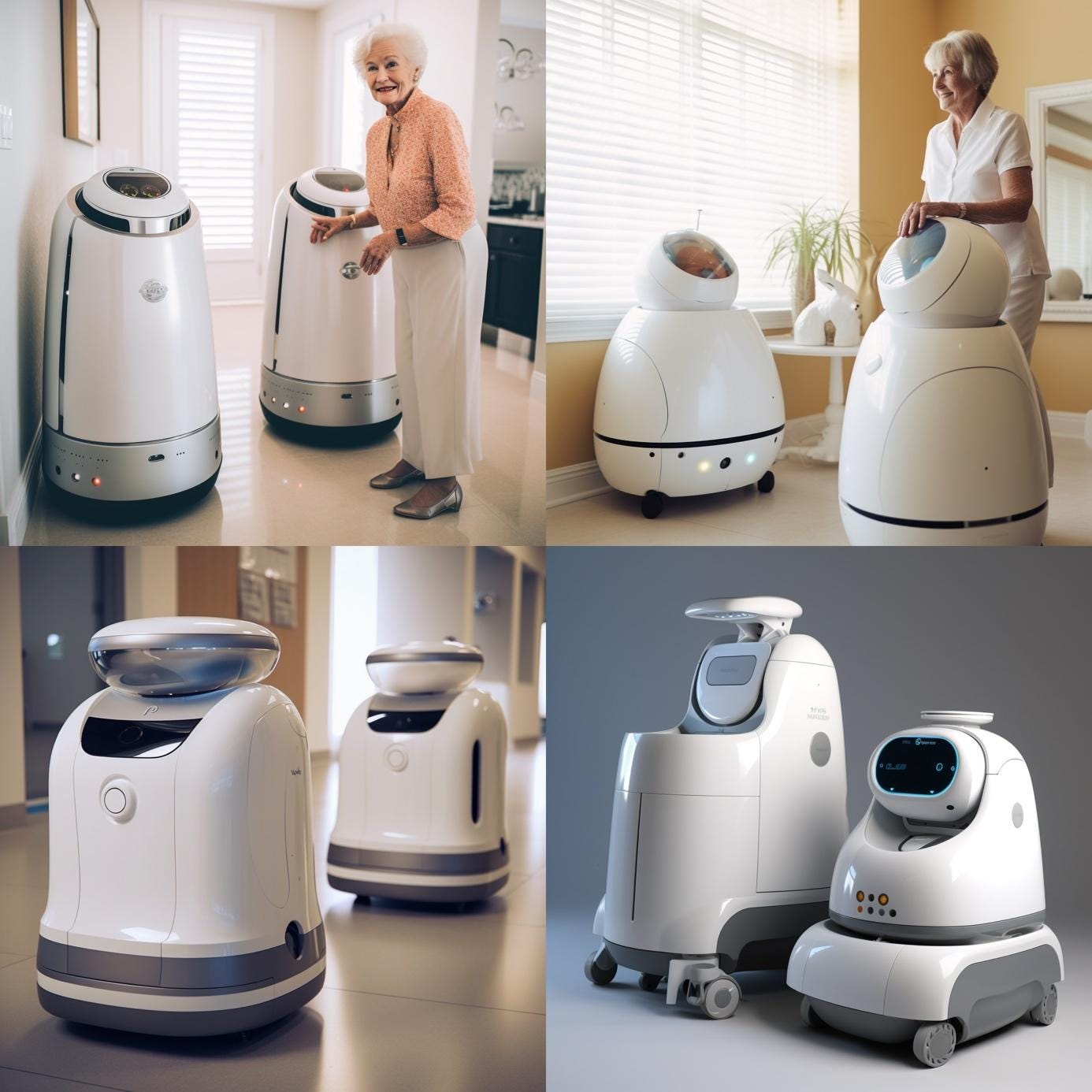
Finally, the future isn’t just something that happens to us; it’s something we create, one vision at a time. Before you go, think of this: What kind of future do you want to live in, and what role will you play in creating it? If you're excited about shaping the future with AI and co-creation, we’d love to hear from you!
Oudhof, T. (2023). Future framing method: utilizing the power of co-creation and AI when envisioning the future. TU Delft Repositories. https://repository.tudelft.nl/islandora/object/uuid:a147269d-c437-4695-be71-a8dc31085aaa?collection=education